The Dangers of Being Recognised
I call myself a shut-in most of the time, and many who know me well are likely to agree with this assessment. I don’t get out much, and this doesn’t particularly bother me. There are various reasons for my reclusive ways, but particularly notable is the way my various marginalised identities interact, creating a complex web of anxieties that surround social interactions.
You see, I do have some desire to get out of the apartment and socialise more than I do. Perhaps less than the similar desires found in the average person, but it is there all the same. So, what’s stopping me? Well, many things, as I mentioned, but the main thing that stops me cold every time: is fear. Walking into any new venue—be it a restaurant, a bar, a café, or even a grocery store—I’m always afraid I’m going to be misunderstood, looked down on, or downright hated, simply for being who I am.
I mentioned marginalised identities in the opening, so let’s put all those cards on the table; I am multiply neurodivergent and queer. The full list is both too personal and too long to go through here, but my autism, transness, and choice of romantic partners are the most relevant to this essay.
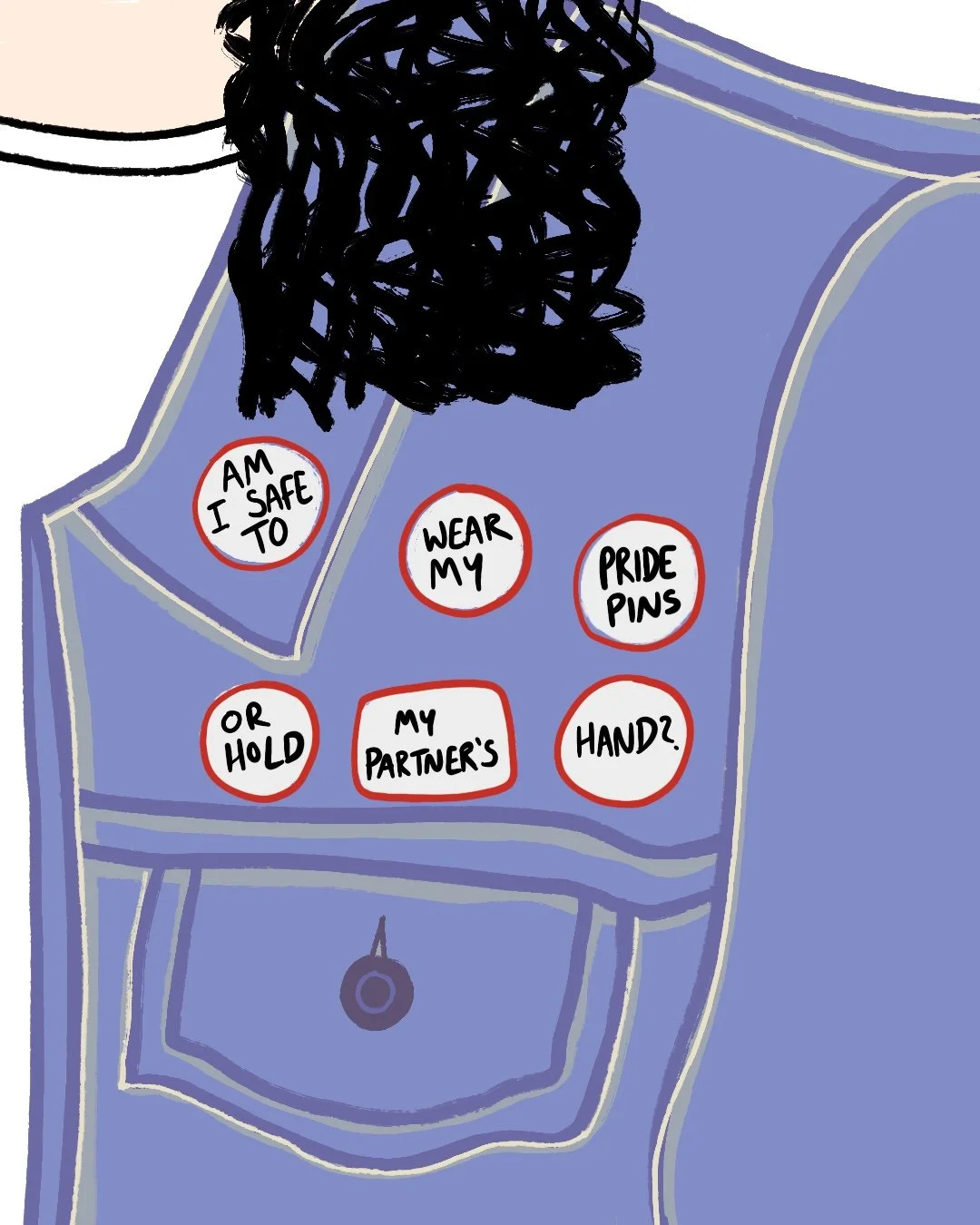
When I walk into a place I’ve never been before, I anxiously wonder if my queerness or my autism are going to be obvious to any staff or fellow patrons I encounter. And if they are, I must further wonder if they’re going to judge me for any of it. Will they think it’s rude that I don’t want to make eye contact? Will my auditory processing delay cause me to fumble through a basic interaction and leave a terrible first impression? Am I safe to wear my pride pins or hold my partners’ hands here, or will there be malice behind the server’s smile if they pick up that I’m anything other than cisgender and straight?
These are all things that the majority of the population don’t have to worry about, but I do. And that’s just for first impressions; it gets a whole lot hairier if I come often enough to be identified as a “regular.”
Being identified as a regular can be a threat if you’re uncertain as to whether the person taking your order considers you worthy of basic human rights
In theory, being a regular patron to any business is a boon to the server-patron relationship, provided you’re a considerate customer. And when I can overcome my considerable anxieties and find a space where I feel safe, I enjoy that feeling quite a bit. But it’s never a simple or straightforward matter to get to that point.
Being identified as a regular can be a threat if you’re uncertain as to whether the person taking your order considers you worthy of basic human rights, which is something oppressed minorities must worry about constantly. It’s not always a good thing if someone remembers my name and order, because they just might be wishing me dead while they do it. And if that sounds extreme, I invite you to pay even slightly more attention to the prevalence of anti-minority violence in the news; I freely admit to being paranoid, but I have good reason to be.
So you’ll forgive me, I hope, for experiencing a sinking feeling of dread when I see that glint of recognition in an employee’s eye as they welcome me back, or ask me if I’d like “the usual.” It’s not because I don’t want to be welcomed, it’s not because I don’t appreciate their effort they’re putting in to make my time there easy and enjoyable; it is, simply, because I must suddenly reevaluate how safe I feel there, now that I’ve been recognised.
Helen Anne Smith
And trust me when I say I don’t want my feelings on the matter to be this complicated. I’d love to feel safer in public in general, and to simply be happy to be appreciated as a regular customer of any place I choose to spend my time and money. I actively seek out places where I can feel comfortable simply existing, for this reason. They can seem few and far between, but it’s always worth it when I find one.
All of this is why being an open-minded and accepting server is vitally important to making all your customers—and especially any marginalised ones—feel safe, welcome, and at ease. There are several ways you can do this, but the most simple and easy one is to just check any prejudices you may have towards people who are harmlessly different from you in any number of ways.
The second is to broadcast your acceptance to anyone who enters, which can be as simple as posting an inclusive sign at your door, such as the progress pride flag. You should also consider making your building as accessible as possible to disabled patrons; the most obvious way to do this is to make sure it is wheelchair-accessible, and while you should absolutely ensure that it is, don’t stop there either; note that a patron might have an “invisible” disability and find that details like bright lighting or high-volume sounds make your business inaccessible to them.
Do your research and ask for feedback from your customers on what you’re doing well and how you can improve. Accept any feedback you get from such measures with grace and humility, and strive to make everyone who comes through your doors feel at their ease.
Now’s the point where I mention that I recently moved to a much more accepting area, and a lot of my thoughts above are based on how I felt before I moved. Nothing is perfect and there are hateful people everywhere, so my anxieties aren’t completely gone, but they have significantly improved since I came here, thanks to the preponderance of open-mindedness I find myself surrounded by, at least by comparison. I am now a regular patron of several local businesses whose employees have begun to recognise me and remember my name, and not only does this not cause the same degree of fear as it did where I used to live, but it brings me joy to feel like a valued customer in these spaces.
I bring this up to drive home the impact that you can have by making clear your acceptance of other human beings in all our infinite diversity. If you’re not a member of any given marginalised group, it can be all too easy to forget that those of us who are have a lot of additional concerns weighing on us in any given interaction. So please, do your marginalised clients a favour and take a load off their minds by letting them know they’re safe with you.